Best Gloves for Pressure Washing: Stay Safe and Comfortable on Wet Jobs
When selecting gloves for pressure washing, choose models that resist water, chemicals, and scrapes while keeping your hands cool and nimble. This guide highlights gloves ideal for homeowners, DIY enthusiasts, and professionals who tackle wet, dirty jobs. The top picks favor waterproof protection, grip, and dexterity for extended use. Each product section explains who benefits most and why it’s a strong fit for pressure-washing tasks.
| Product | Why It’s a Good Fit |
|---|---|
| HANDLANDY Mens Work Gloves | Breathable back, padded knuckles, and touch-screen fingertips suit frequent phone use and long-wear in damp conditions. |
| KAYGO Waterproof Work Gloves | Double-layer latex coating delivers waterproof protection and strong grip for wet surfaces. |
| Schwer 2 Pairs Waterproof Work Gloves | Double latex coating with non-slip grip for wet environments and outdoor tasks. |
| Wells Lamont Heavy Duty Rubber Gloves | PVC coating offers chemical resistance and durability for harsher cleaners. |
| Haiou PVC Chemical Resistant Gloves | 25-inch long cuffs provide extended protection for splash zones and rinsing. |
Buyer types: homeowners who pressure wash decks or siding will value waterproof protection and dexterity. professionals handling harsh cleaners may prioritize chemical resistance and longer cuffs. hobbyists who need screen access on-site benefit from touch-screen capabilities. This mix ensures practical options across common pressure-washing scenarios.
HANDLANDY Mens Work Gloves with Padded Knuckles
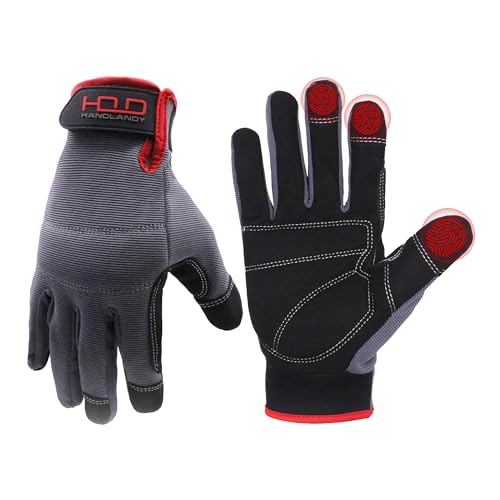
Best for: Those who need flexibility and touch-screen compatibility during washing tasks. These gloves feature a breathable spandex back to keep hands cool, plus foam padding on knuckles for impact protection. The fingertips support touch-screen use, which helps when checking instructions or pausing to take notes. The design balances protection with dexterity, making them suitable for light to moderate pressure washing around delicate surfaces.
Why selected: The combination of breathability, knuckle padding, and touch-screen compatibility makes them practical for regular on-site use where phones or tablets are involved.
Caution: The gloves’ waterproofing is not specified as full-submersion protection; avoid prolonged exposure to strong jets or direct water immersion.
KAYGO Waterproof Work Gloves KG150

Best for: Wet outdoor tasks where you need reliable waterproof protection and a secure grip. The double-layer latex coating fully protects palms, backs, and fingers while maintaining flexibility in wet conditions. The elastic wrist helps with a snug fit, though it’s not waterproof at the wrist area, so avoid submerging wrists. Ideal for garden cleanup, painting, and light DIY under damp conditions.
Why selected: Superior grip and dexterity under moisture are essential for tool handling, object placement, and safe manipulation of slippery materials in rain or spray zones.
Caution: Not designed for full hand immersion; wrist area may not be waterproof, so limit exposure to direct jets at the wrist.
Schwer 2 Pairs Waterproof Work Gloves

Best for: Wet and windy outdoor projects where a strong grip reduces tool slippage. Schwer gloves feature a double latex coating and non-slip texture, making them solid for handling hoses, spray nozzles, and cleaning tools. They are a practical pick for gardeners, DIY enthusiasts, and outdoor workers who demand durability in damp environments.
Why selected: The dual-layer latex coating offers both waterproofing and grip efficiency, helping you stay steady when surfaces are slick or cold.
Caution: These gloves are designed for wet tasks but may not be ideal for heavy chemical exposure; pair with chemical-rated gloves if using strong cleaners.
Haiou PVC Chemical Resistant Gloves

Best for: Extended-wear chemical exposure and long rinse cycles. The 25-inch length provides arm protection against splashes and splatters during thorough cleaning and chemical use. The gloves’ thick rubber construction is designed for heavy-duty work in gardening, cleaning, and maintenance scenarios where chemical splash risk is present.
Why selected: The extended cuff reduces exposure and offers additional protection for operators using spray wands, detergents, or acid-based cleaners.
Caution: The gloves are long and bulky; they may limit dexterity for very fine manipulation tasks. Choose thinner options if precision is the priority.
TitanFlex Heavy Duty Nitrile Gloves

Best for: General wet-work and chemical exposure where nitrile’s chemical resistance matters more than fabric breathability. Although disposable, the gloves provide a fully textured surface for grip and are latex-free to accommodate latex allergies. They’re useful for mechanics, cleaning crews, and food prep tasks that involve moisture.
Why selected: They combine durability with a textured surface for secure handling of tools and cleaners in moist conditions. The lack of powder makes them clean and convenient for repeated use.
Caution: Being disposable, they are not intended for extended wear or heavy abrasion; replace when torn or degraded.
Buying Guide
What protection level do you need? For frequent water exposure and chemical use, prioritize waterproof materials like latex or PVC coatings. For delicate surfaces or screen use, consider models with touch-screen compatibility or flexible backs.
How important is cuff length? Longer cuffs protect forearms from splashes during heavy cleaning or chemical tasks. Shorter cuffs offer greater wrist flexibility for rapid tool handling.
Do you need dexterity vs. protection? If you need precise control, look for gloves with good tactile feel and textured palms. If you handle strong cleaners, select thicker, chemical-resistant options even if they feel stiffer.
Are there allergy considerations? Latex allergy sufferers should opt for nitrile or other latex-free materials. Powder-free designs reduce residue on hands and surfaces.
Maintenance tips: Rinse gloves after use to remove residue, dry completely before storage, and inspect for wear or tears. Replace gloves showing punctures or thinning coatings to maintain protection.
FAQ
- Do pressure-washing gloves need to be waterproof? Yes, waterproof gloves help keep hands dry and protect against splashes and chemical exposure.
- Should I use different gloves for detergents and solvents? Yes; solvents may require chemical-resistant materials like nitrile or neoprene, while basic detergents can use silicone or PVC-coated gloves.
- Are extra-long gloves better for high-pressure cleaning? Longer cuffs provide better forearm protection, especially when spraying at higher angles or near splash zones.
- Can gloves affect grip under wet conditions? Yes; textured surfaces and double coatings improve grip on slippery tools and hoses.
- Is touch-screen compatibility important? If you frequently check devices on site, gloves with touchscreen fingertips can save time without removing gloves.
- How should I dispose of disposable gloves? Follow local regulations; do not reuse disposable gloves after exposure to chemicals or contaminants.