Best Septic-Safe Shower Cleaners for Every Bathroom
If you’re seeking effective bathroom cleaners that won’t disrupt your septic system, you’ve found the right guide. This article highlights five septic-safe shower cleaners, explains who each product suits best, and compares their strengths and limits. Whether you’re cleaning glass doors, tiles, or grout, these options focus on enzyme action, plant-based formulas, and low-suds performance to protect septic health while delivering a sparkling finish.
Buyer’s note: septic-safe cleaners are ideal for homes relying on septic systems or those avoiding harsh chemical detergents. Look for enzyme-based formulas, plant-based ingredients, no artificial fragrances that can irritate, and clear labeling about septic compatibility. The table below summarizes top picks and intended use cases.
| Product | Best For | Why It Stands Out |
|---|---|---|
| Mrs. Meyer’s Clean Day Tub & Tile Cleaner, Lavender | General bathroom maintenance | Lavender scent with a simple spray-wipe formula for multiple surfaces |
| Biokleen Bac-Out Natural Bathroom Cleaner | Enzyme-based odor control | Live enzyme cultures break down organic buildup and odors |
| Wet & Forget Shower Cleaner | Hands-off weekly cleaning | No-scrub weekly spray with long-lasting buildup control |
| Stardrops The Pink Stuff | Tough soap scum and stains | Foam cleaner that clings and dissolves grime |
| naturally it’s clean Bathroom Cleaner | All-in-one septic-safe option | Plant-based enzymes remove soap scum and hard water buildup |
Mrs. Meyer’s Clean Day Tub and Tile Lavender Cleaner

A versatile bathroom cleaner designed for shower doors, tiles, sinks, and more. This product is a spray-and-wipe formula with a light, garden-inspired Lavender scent. It’s gentle enough for commonly touched surfaces yet effective against grime. Best for buyers who prefer a familiar fragrance while maintaining a simple cleaning routine. Limitation: fragrance may be noticeable for scent-sensitive households.
Biokleen Bac-Out Natural Bathroom Cleaner
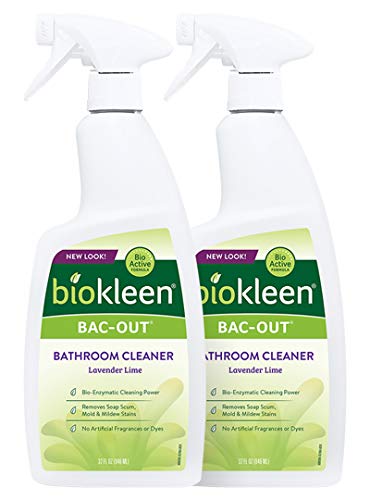
This enzyme-based cleaner uses live cultures to break down organic material, helping to deodorize and remove grime. It suits bathrooms with persistent odors and soap scum that benefit from a natural approach. Best for households seeking a plant-based, septic-friendly option. Caution: enzyme-based products may require longer contact times for heavy buildup.
Mrs. Meyer’s Vinegar Gel Cleaning Spray, Apple Blossom
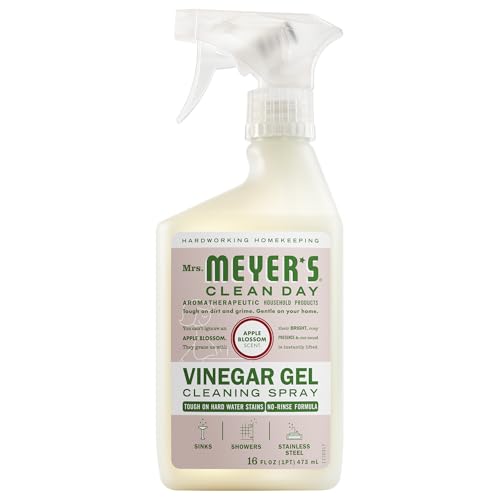
This no-rinse vinegar gel cleaner helps lift everyday grime and brightens stainless steel with a garden-inspired Apple Blossom scent. It’s best for quick spot cleaning and surface shine without rinsing. Choose this if you want an easy, fragrance-balanced option that keeps surfaces gleaming with modest effort. Limitation: gel format may require more wipe-down on stubborn residues.
Wet & Forget Shower Cleaner
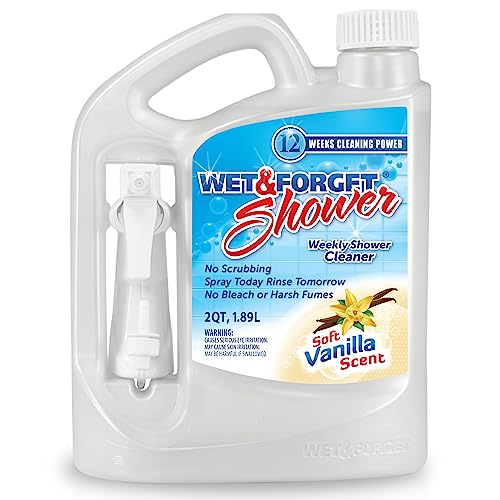
This weekly application cleaner is designed to reduce soap scum, grime, and body oils on non-porous surfaces without scrubbing. Best for busy households with a large shower area or for those who prefer a low-maintenance routine. Limitation: heavy buildup may require more frequent or daily application until clean.
Stardrops The Pink Stuff Bathroom Foam Cleaner

This pink foam cleaner clings to surfaces to break down tough stains and soap scum. It’s versatile across tiles, sinks, tubs, and showers, offering a single-product solution for multiple bathroom surfaces. Best for users who want strong cleaning power without harsh chemicals. Limitation: foam-based products may require longer dwell time for deeply set stains.
naturally it’s clean Bathroom Cleaner

This plant-based enzyme cleaner targets soap scum, hard water buildup, and odors. It’s marketed as septic-safe and made in the USA, making it appealing for households prioritizing natural ingredients and septic health. Best for those seeking an all-in-one cleaner that covers toilets, tubs, tiles, and sinks. Caution: ensure compatible with sensitive surfaces as with any enzyme-based formula.
Buying Guide
Key considerations for choosing septic-safe shower cleaners include ingredient base, surface compatibility, odor and fragrance, and maintenance needs.
- Enzyme vs chemical cleaners: Enzyme-based cleaners break down organic material and odors, often gentler on septic systems, though may require longer dwell times for tough buildup.
- Surface compatibility: Confirm the cleaner’s suitability for glass, ceramic tile, fiberglass, chrome, and grout. Some products avoid natural stone or marble.
- Fragrance and sensitivities: If household members are sensitive to scents, prefer fragrance-free or light, natural scents.
- Maintenance frequency: If you want a low-commitment routine, weekly or bi-weekly application options can reduce daily scrubbing.
- Septic-friendly labeling: Look for explicit notes about septic system safety and non-toxic, plant-based ingredients when possible.
How to use septic-safe cleaners effectively
- Pre-wet surfaces, spray or apply as directed, and allow dwell time where applicable to maximize cleaning power.
- Rinse surfaces thoroughly if the label calls for it, especially on surfaces contacting skin or food-prep areas.
- For tough grime, reapply and let sit longer before final rinse or wipe.
Frequently asked questions
- What makes a shower cleaner septic-safe?
A septic-safe cleaner uses plant-based or enzyme formulations with limited harsh chemicals and clearly states compatibility with septic systems. - Are enzyme cleaners effective on soap scum?
Yes, enzymes break down organic matter like soap scum and biofilm, aiding removal and reducing odors. - Can I use these cleaners on all bathroom surfaces?
Most are suitable for tile, glass, and porcelain; always check the label for surface-specific guidance and avoid sensitive materials like natural stone unless specified. - Is fragrance important for septic systems?
Fragrance itself doesn’t determine septic safety, but strong scents may irritate occupants; choose mild or unscented if needed. - How often should I clean with a septic-safe product?
A weekly or bi-weekly routine works well for most homes, with more frequent use during heavy buildup periods.