Best Pressing Cloths for Ironing: Top Cloths to Protect Fabrics
Find the right pressing cloth to protect fabrics, reduce shine, and prevent scorch marks while ironing. This guide highlights five top cloths that suit home sewers, hobbyists, or crafters who press a variety of fabrics. Each pick is analyzed for best use cases, with clear comparisons to help you choose.
| Product | |||
|---|---|---|---|
| Dritz 594 Sheer Press Cloth | Sheer Polyester | Delicate fashion fabrics | 22 x 30 inches |
| June Tailor Eze-View 24×14 | 100% Cotton | Steam-friendly ironing | 24 x 14 inches |
| 2 Pcs Cotton Ironing Cloth (20 x 27) | Cotton (2 pieces) | General fabric protection | 20 x 27 inches each |
| Dritz Clothing Care 82442 | Lightweight Sheer | Visibility while pressing | 11 x 28 inches |
| Elegaperma 3 Pcs Press Cloth Set | Mesh/Cotton/Poly mesh | Embellishments and mixed fabrics | 40 x 60 cm / 15.75 x 23.62 in set |
Dritz 594 Sheer Press Cloth, 22 by 30-Inch

Dritz 594 Sheer Press Cloth provides light protection for fashion fabrics. It helps prevent shine, scorch marks, and water spots while allowing you to see the fabric underneath. It’s suitable for use with both dry and steam irons. Best for lightweight or delicate fabrics where visibility and minimal heat transfer matter.
Best for: delicate satin, silk blends, and sheer fabrics where you want to avoid fabric distortion. Wearable under higher heat to shield finish. Caution: excessive dampening can lead to damp spots if not used with care.
June Tailor Eze-View 24-by-14-Inch 100% Cotton Press Cloth

This 100% cotton pressing cloth helps prevent shine on fabrics and works with both steam and dry irons. Its cotton construction distributes heat evenly, making it a reliable option for everyday garments and crafts. It’s particularly effective for mid-weight fabrics where consistent heat and moisture control improve results.
Best for: everyday shirts, blouses, and fabrics that benefit from even heat diffusion. Better for: cotton and blends where a natural fiber is preferred. Caution: cotton cloths can absorb more moisture, which may require more frequent replacement when pressing heavily wrinkled fabrics.
2 Pcs Cotton Ironing Cloths (20 x 27)

This two-pack provides larger coverage with two 20 x 27-inch cotton ironing cloths. Made from durable cotton, they distribute heat evenly and absorb excess moisture to protect fabrics from high-temperature damage while maintaining texture. Suitable for home studios and everyday sewing tasks.
Best for: large projects or ironing multiple garments at once. Choose this if you prefer a simple cotton option with extra coverage. Caution: cotton fibers may shrink slightly after washing; pre-wash to ensure size stability.
Dritz Clothing Care 82442 Pressing Cloth, 11-Inch x 28-Inch
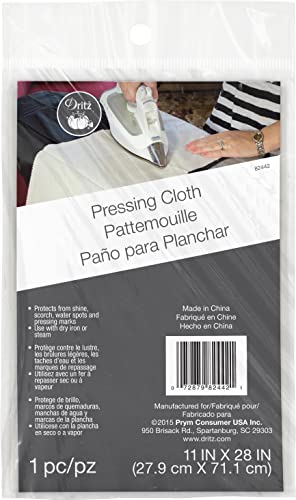
The Dritz 82442 offers a sheer option that helps you monitor fabric while pressing. Its lightweight nature reduces heat buildup, making it ideal for high-temperature ironing of delicate fabrics. It’s versatile for both steam and dry ironing, providing a clear view of the fabric beneath the cloth.
Best for: fabrics where you need visibility during pressing. Better for: finer fabrics that require precise heat control. Caution: may wear thinner over time with frequent use, so have a spare on hand for busy projects.
Elegaperma 3 Pcs Press Cloth Set

The Elegaperma set includes three cloths in blue, purple, and green. Each cloth uses a mesh design to distribute heat evenly and protect embellishments like embroidery or beaded details. The multi-fabric set handles delicate fabrics and more robust materials while reducing heat adhesion to fabrics.
Best for: projects with decorative details or mixed fabrics. Choose this if you frequently press embellished garments. Caution: mesh-based cloths may wear differently on thick fabrics; rotate cloths to maintain even performance.
Buying Guide: Pressing Cloths For Different Fabrics
What to consider when choosing a pressing cloth
- Material: Cotton provides absorption and natural heat distribution, while sheer or mesh fabrics let you monitor the fabric underneath.
- Size: Larger cloths cover more area and reduce repositioning; smaller cloths excel on details or tight spaces.
- Heat tolerance: Some cloths are designed for high temperatures; others are better for delicate fabrics. Match to your iron’s setting and fabric type.
- Visibility: Sheer or light-colored cloths help you avoid scorch marks by letting you see the fabric shine or marks as you press.
- Moisture management: Dampening a cloth can help in steam ironing; avoid excess moisture on delicate fabrics.
Frequently Asked Questions
- What is the primary purpose of a pressing cloth?
To protect fabric finishes from shine, scorch marks, and water spots while facilitating heat transfer. - Can I use a cotton cloth for all fabrics?
Cotton works well for many fabrics but may absorb more moisture and require temperature adjustments for delicate materials. - Is a sheer pressing cloth better for silk or satin?
Yes, a sheer cloth helps keep heat off the delicate surface while you monitor the fabric. - Should I dampen a pressing cloth?
Some cloths benefit from a light dampening for steam ironing, but avoid soaking the fabric. - Which cloth is best for embellished garments?
Mesh or specialty cloths from multi-piece sets help protect beads and embroidery during heat application. - How often should pressing cloths be replaced?
Replace when worn, frayed, or losing protective properties to maintain effective results.