Best Laminate Floor Paint Remover Solutions for a Fresh Start
Removing paint from laminate or other finished floors requires careful choosing of products that lift paint safely without damaging the underlying surface. This guide reviews five products suitable for laminate floor scenarios, focusing on effectiveness, safety, and ease of use. Each option targets latex or spray paints and works with common floor materials like laminate, vinyl, and tile. Use these products as part of a controlled stripping or cleaning plan, following all manufacturer directions for ventilation and protective gear.
| Product | Brand | Best For |
|---|---|---|
| Krud Kutter Latex Paint Remover Spray | Krud Kutter | Fresh or dried latex paint on interior/exterior surfaces |
| Motsenbocker’s Lift Off 41101 Spray | Motsenbocker’s Lift Off | Paint and graffiti on multiple surfaces including laminate safely |
| Sunnyside 2-Minute Remover Gel | Sunnyside Corporation | Paint and varnish removal with a methylene chloride-free formula |
| Max Strip Floor Adhesive Remover Gel | Max Strip | Adhesives and mastics for flooring prep and removal |
| Black Diamond Stoneworks Floor Cleaner | Black Diamond Stoneworks | Post-removal cleaning to prepare a sealed finish |
Krud Kutter Latex Paint Remover Spray

Krud Kutter’s Latex Paint Remover Spray is formulated to loosen fresh or dry latex paint on a variety of surfaces, including laminate. The biodegradable, low-VOC formula begins penetrating within minutes, which can speed up the stripping process while helping reduce odor and solvent exposure. This product can be applied to floors and other materials such as carpet, wood, fabric, brick, tile, vinyl, and concrete, making it a versatile option for mixed-surface projects. When working on laminate floors, apply as directed, keep the area ventilated, and test a small inconspicuous patch first to confirm finish compatibility.
Motsenbocker’s Lift Off 41101 – Spray Paint Remover

Motsenbocker’s Lift Off 41101 is a water-based spray paint remover that handles spray paint, acrylic, and enamel across a range of surfaces, including wood, metal, concrete, and plastic. Its formulation is designed to be user-friendly and safer for interior use than harsher chemical alternatives. For laminate floors, it’s best to apply to affected spots, test a small area, and wipe away with a soft cloth to avoid over-wetting seams or edges. The product’s versatility across surfaces makes it a convenient option if your project involves multiple substrate types.
Sunnyside 2-Minute Remover Gel
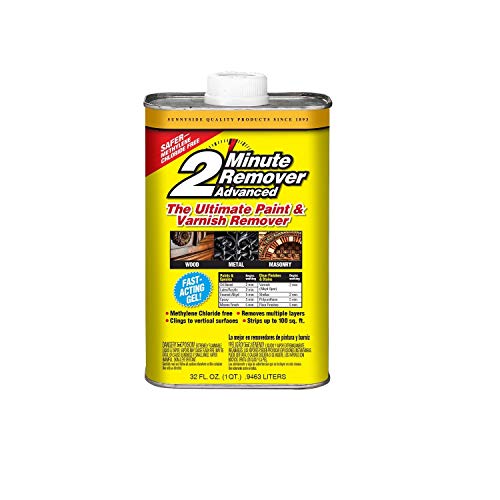
Sunnyside’s Advanced Paint & Varnish Remover Gel is a non-methylene chloride formula designed for safe stripping. The gel consistency helps minimize run-off, which is beneficial when working on vertical or horizontal laminate surfaces. Its effectiveness in removing multiple layers of paint or varnish in one application can reduce total time spent on a floor prep project. Always test first and follow recommended dwell times to avoid damage to the laminate finish or edge components.
Max Strip Floor Adhesive Remover Gel

Max Strip Floor Adhesive Remover Gel targets tough mastics, construction adhesives, and glues commonly found on flooring substrates. This gel-based remover is designed to work in a single application with a user-friendly approach that avoids harsh caustics. For laminate floors, it’s suitable for prepping surfaces prior to refinishing or new coverings, but always follow the manufacturer’s dwell time and removal guidance to prevent prolonged moisture exposure that could affect seams or edge bands.
Black Diamond Stoneworks Floor Cleaner

After paint removal, a thorough cleaning helps restore the floor’s appearance and prepare the surface for refinishing or resealing. Black Diamond Stoneworks Floor Cleaner provides a gentle, streak-free cleaning solution for laminate, wood, and vinyl plank floors. Its no-residue formula dries quickly and helps preserve protective finishes. While it’s primarily a cleaner, using it as part of a post-removal routine can support a uniform, polished result across the entire floor area without leaving a film that could affect sealant adhesion.
Buying Guide: Key Considerations For Laminate Floor Paint Removal
- Surface compatibility: Always test a small, inconspicuous area on laminate first to verify finish compatibility and to avoid damage to edges or seams.
- Ventilation and safety: Choose low-VOC or water-based formulas when possible. Wear gloves, eye protection, and ensure good airflow during use.
- Application type: Gel or spray formulations can reduce run-off and control application on vertical or complex surfaces. For large flat areas, consider a liquid remover with controlled dwell time.
- Material diversity: If multiple substrates are involved (laminate, wood, vinyl), select a product known for multi-surface effectiveness or plan to use a combination with post-cleaning steps to even out results.
- Dwelling time and removal method: Adhere to recommended dwell times and use a scraper with care to minimize surface gouging. Avoid excessive moisture near seams to prevent swelling.
- Post-removal care: Follow up with a floor cleaner designed for laminate to remove residue and to prepare for resealing or refinishing as needed.
- Environmental and odor considerations: Low-odor, methylene chloride-free options are preferable for indoor spaces, particularly in homes with limited ventilation.
- Ease of use and cleanup: Gel formulations and wipe-away options can simplify cleanup, while spray removers may require more surface prep to prevent staining or damage to adjacent areas.
- Cost vs. benefit: Weigh the number of applications required, dwell time, and safety profiles against the project size to determine the most cost-effective option.
In selecting a paint remover for laminate floors, prioritize products that minimize moisture exposure, provide clear instructions, and are compatible with the floor’s finish. The five products reviewed offer diverse approaches—from spray formulations geared toward quick results to gel-based removers that limit runoff—allowing you to tailor your approach to the specific laminate floor and paint type you’re dealing with. Always follow label directions and consider a test spot to confirm compatibility before proceeding with larger areas.