Best Non Acid Bathroom Cleaners for a Fresh, Germ-Free Bath
Finding a bathroom cleaner that fights germs without harsh acids can protect surfaces and keep facilities safe. This guide highlights non-acid and neutral bathroom cleaners, covering what to look for, how they perform, and practical usage tips. The selections below pull from reliable brands and customer-ready formulations designed for hard, nonporous bathroom surfaces, including toilets, sinks, and countertops.
The following summary table provides quick-reference details on the chosen products, including surface compatibility and germ-fighting capabilities. Use it as a starting point when comparing options for home use, offices, or small facilities.
| Product | Brand | Type | Key Benefit |
|---|---|---|---|
| Spartan NABC Non-Acid Bathroom Cleaner RTU 32oz | SPARTAN | Non-Acid Disinfectant | Disinfects MRSA, VRE; ready-to-use |
| CREW Diversey 100925283 Neutral Non-Acid Bathroom Disinfectant 32 oz | CREW | Neutral Non-Acid | Cleans and deodorizes; safe on hard, non-porous surfaces |
| Spartan NABC Non-Acid Bathroom Cleaner 1 Gallon | SPARTAN | Non-Acid Disinfectant | Non-acid formula; broad germ control |
| MPC Maintenance Fresh Breeze Non-Acid Disinfectant Bathroom Cleaner 1 QT | Generic | Non-Acid Disinfectant | Disinfectant, cleaner, deodorizer |
| Instant Power Toilet Tank Cleaner – 16 Oz | Instant Power | Hard-water Stain Remover | Citric-acid-based; removes rust and mineral buildup |
Spartan NABC Non-Acid Bathroom Cleaner RTU 32oz

Features include a ready-to-use, non-acid disinfectant and cleaner formulation. It targets common bathroom germs, with demonstrated effectiveness against MRSA, VRE, and other pathogens. The product is safe for use on all hard, nonporous restroom surfaces, including porcelain, chrome, enamel, and plastic components. For daily maintenance, its non-acid composition helps preserve surface finishes while maintaining a clean and sanitary environment. Use this product to spray on surfaces, let dwell briefly, and wipe or rinse as recommended by the label.
CREW Neutral Non-Acid Bowl & Bathroom Disinfectant 32 Oz

Designed as a neutral, non-acid disinfectant for bathroom fixtures, this 32-ounce bottle cleans and deodorizes multiple bathroom fixtures. It is suitable for daily use on hard, non-porous surfaces, offering a balanced approach to odor control and surface cleanliness without the harsh effects of acids. The product is typically used on toilets, sinks, countertops, and tile, helping to reduce germs while maintaining surface integrity over repeated cleanings.
Spartan NABC Non-Acid Bathroom Cleaner 1 Gallon

This gallon-size non-acid disinfectant cleaner provides scalable cleaning power for larger bathroom spaces and facilities. Like other Spartan NABC formulations, it emphasizes rapid disinfection against common pathogens while remaining safe for general use on hard, nonporous surfaces. It is suitable for routine or light-duty deep cleaning in restrooms and can be diluted if recommended by the product label for cost-effective maintenance.
MPC Fresh Breeze Non-Acid Disinfectant Bathroom Cleaner 1 QT

From MPC, this fresh breeze non-acid disinfectant offers an all-purpose cleaner option that deodorizes while addressing surface sanitation. The 1-quart size is convenient for smaller facilities or for individual households needing frequent touch-ups. The formulation emphasizes safe use on hard, non-porous surfaces and is positioned as a reliable everyday cleaner and deodorizer for bathrooms, helping maintain a fresh environment between deeper cleanings.
Instant Power Toilet Tank Cleaner
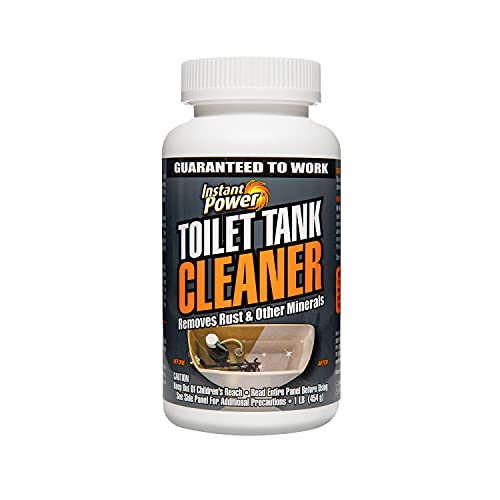
This product focuses on cleaning and removing mineral deposits inside toilet tanks. It uses a citric acid-based formula to dissolve rust and hard water scale, facilitating a cleaner tank and improved flush performance. While not non-acid, it remains a commonly used option for addressing mineral buildup in enclosed plumbing parts. Follow labeled instructions and ensure compatibility with your toilet tank materials before use.
Buying Guide: Key Considerations For Non-Acid Bathroom Cleaners
- Surface safety and material compatibility: Non-acid cleaners are often preferred for enamel, chrome, and plastic fixtures because they reduce the risk of etching or dulling finishes. Look for explicit statements about compatibility with porcelain, ceramic, fiberglass, and other common bathroom surfaces.
- Disinfection claims and target organisms: If disinfection is important, review the product’s label for combating bacteria such as MRSA and VRE. Ensure the product is registered or recognized for the claimed pathogens and that it meets local regulatory standards where applicable.
- Odor control and deodorizing ability: Some cleaners are formulated to neutralize bathroom odors beyond germ control. Consider products labeled as deodorizing, especially for high-traffic restrooms or shared facilities.
- Usage and dilution guidelines: Non-acid formulas may be ready-to-use or require dilution. RTU options simplify routine cleaning, while concentrated formulations can save cost in larger settings. Always follow label directions for contact time and rinse requirements.
- Bystander and environmental considerations: For homes with children, pets, or sensitive individuals, select products with low-VOC claims and clear safety instructions. Environmentally friendly options may emphasize biodegradable ingredients and minimal aerosol formation.
- Size and scalability: Choose bottle sizes that fit your cleaning schedule and facility size. Large, multiple-bottle purchases are practical for offices, schools, or multi-bathroom settings, whereas small bottles work well for households.
- Cost versus value: Non-acid cleaners can vary in price based on disinfectant strength, fragrance, and brand reputation. Consider total cost of ownership, including dilution rates if applicable, to estimate ongoing expenses.
- Regulatory and warranty considerations: Some commercial-grade cleaners come with industrial usage statements or warranties related to surface protection. Verify compatibility with facility cleaning protocols or compliance requirements where relevant.
- Storage and handling: Keep cleaners away from incompatible chemicals and out of reach of children. Check for proper storage instructions to maintain effectiveness and safety over time.
- Availability and accessibility: Popular brands with broad distribution ensure easier replacement and consistent performance. When selecting product lines, consider whether to maintain a consistent brand across all restrooms for ease of training and inventory management.