Best Mold Cleaners for Leather: Safe, Odorless Solutions
When mold stains leather, a specialized cleaner is usually required to remove the stain, neutralize odors, and protect the leather afterward. This guide compares five products that target mold on leather and adjacent materials, focusing on effectiveness, safety, and suitability for different buyers. The top picks include cleaners for home furniture, car interiors, and workshop projects. Ideal buyers: homeowners with leather furniture or car seats, hobbyists cleaning leather gear, and professionals restoring leather goods.
| Product | Brand | Best For |
|---|---|---|
| Leather Master Mold Cleaner, 8.45 oz | Leather Master | Leather owners needing targeted mold and mildew stain removal with odor elimination |
| Concrobium Mold Control, 32 oz Spray | Concrobium | Mold control and prevention with no odor or VOCs |
| RMR Brands DIY Mold & Stain Remover Bundle | RMR Brands | Instant mold kill and stain removal, versatile for multiple surfaces |
| Mold Armor Professional Brand Mold Kill & Control Spray, 32 oz | Mold Armor | Fast-acting cleaner for hard surfaces, quick visible results |
| Leather CPR Cleaner and Conditioner 18oz | Leather CPR | Safe leather cleaning and conditioning, suitable after mold treatment |
Note: This table is a quick reference. For details on how each product handles leather-specific mold, read the individual product sections below.
Leather Master Mold Cleaner: Targeted Leather Mold Removal
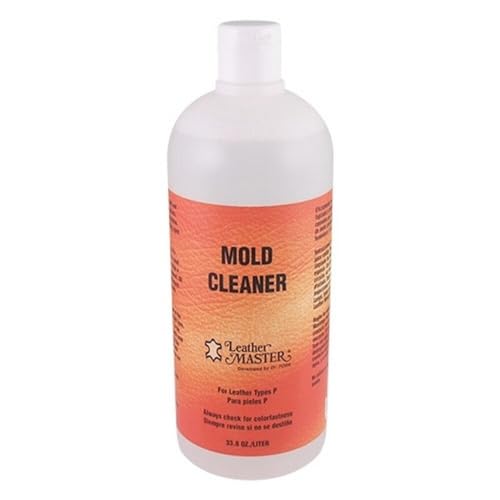
Leather Master Mold Cleaner penetrates to remove mold and mildew stains from leather while eliminating odors caused by mold. A special wetting agent enhances the cleaning action for tough stains on furniture, car seats, and other leather items. Best for leather owners facing visible mold staining and musty smells who want a one-step treatment with stain removal.
Who it’s best for: Homeowners with leather furniture, car seats, or gear dealing with visible mold and musty odors. It’s chosen for its mold-targeted cleaning action designed specifically for leather surfaces.
Limitations: The product data emphasize stain removal and odor control; users should follow up with conditioning to maintain leather suppleness after cleaning. Not a surface disinfectant for fabrics beyond leather.
Concrobium Mold Control: Mold Prevention On Contact

Concrobium Mold Control eliminates existing mold at the source and leaves behind an invisible barrier that helps prevent future growth. It’s EPA-registered for mold control when used as directed and is bleach-free, odorless, and VOC-free, which helps maintain indoor air quality around leather items.
Who it’s best for: Buyers seeking a mold control solution that both treats current mold and helps prevent recurrence, especially in spaces with leather furniture or car interiors.
Limitations: It acts as a preventive barrier; for stubborn stains, you may need a dedicated stain remover in addition to mold control.
RMR Brands DIY Mold & Stain Remover Bundle

This bundle includes two fast-acting formulas: RMR-86 Mold & Mildew Stain Remover for quick stain lifting and RMR-141 RTU Disinfectant Spray for killing mold and mildew and preventing regrowth by removing roots. Best for users who want a two-step approach to both stain removal and disinfection in leather-related environments.
Who it’s best for: Renters, homeowners, or professionals who encounter persistent mold staining and want both cleaning and antimicrobial protection in one kit.
Limitations: RMR-141 addresses mold and mildew on a variety of surfaces, but it’s not leather-specific. Use on leather only when recommended by the product guidelines and test on inconspicuous areas first.
MOLD ARMOR Mold Kill & Control Spray
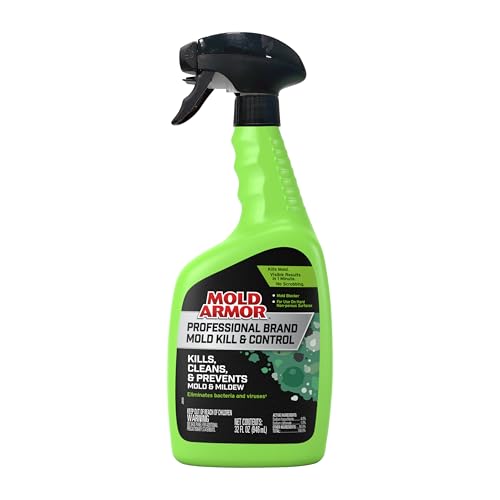
MOLD ARMOR Professional Brand Mold Kill & Control Spray kills, cleans, and prevents mold and mildew on hard, non-porous surfaces. It delivers fast results with no scrubbing required. It’s ideal for surfaces like laminate, sealed grout, stainless steel, and plastic, making it a strong option for leather-adjacent non-porous surfaces and cleanup after leather treatment.
Who it’s best for: Buyers needing a fast, no-scrub solution for hard, non-porous surfaces in spaces where leather items may be present but are not being directly treated.
Limitations: It targets hard surfaces; not formulated specifically for porous leather care. Always test on leather and follow leather-specific cleaners for aftercare.
Leather CPR Cleaner and Conditioner

Leather CPR Cleaner lifts dirt, body oils, and grime in one step while replenishing essential moisture. It’s designed for real leather on furniture, car seats, jackets, handbags, saddles, and more. It’s water-based and non-toxic, pH-balanced for finished leather, and safe for most colors, though it’s not suitable for suede or nubuck.
Who it’s best for: Buyers seeking an all-in-one leather cleaner and conditioner to restore life after mold treatment, especially for common leather goods and car interiors.
Limitations: While effective for general cleaning and conditioning, it does not specifically target mold spores. Use in conjunction with a mold-focused treatment if mold is present.
Buying Guide: Key Considerations For Leather Mold Cleaning
- Surface type: Leather is porous; choose cleaners designed for leather surfaces and test on a hidden area first.
- Mold vs. stains: Distinguish between active mold and staining; use a dedicated mold remover for active growth and a cleaner for staining or odor after the mold is eradicated.
- Odor control: Look for products that neutralize odors to prevent musty smells from returning after cleaning.
- Protection and prevention: Consider products with post-treatment protection to inhibit future mold growth on leather-adjacent areas.
- Safety and compatibility: Ensure the product is non-toxic and compatible with your leather type (full-grain, faux, treated, etc.).
Frequently Asked Questions
- What should I use first for leather mold stains? – Start with a mold-targeted cleaner for the stain and odor, then follow with a conditioner or protector to maintain leather softness.
- Can I use household mold sprays on leather? – It’s not recommended; household sprays can damage leather finishes. Use products designed for leather and mold control.
- Is odor control important after mold cleaning? – Yes. Odor control helps prevent lingering musty smells that can attract more mold growth in the future.
- Should I treat both sides of a leather item? – If practical, treat both sides, especially for furniture cushions or car seats where both sides can harbor mold.
- Do I need a separate disinfectant? – If you’re dealing with mold contamination, a dedicated mold-killing or disinfectant product may be necessary in addition to cleaner and conditioner.
- Is testing required after cleaning? – Test a small, inconspicuous area first to ensure no color bleed or surface damage before full application.