Best Microfiber for Glasses: Clean Lenses Without Scratches or Smudges
Finding the right microfiber cloth for glasses means balancing softness, lint-free performance, and safety for coatings. This guide highlights top options that are suitable for eyeglasses, screens, cameras, and more. Each pick targets different buyer needs—from everyday wearers to tech enthusiasts—so you can choose what best fits your lifestyle and cleaning habits. Below is a quick summary to help you compare at a glance.
| Product | Best For | Why It Stands Out |
|---|---|---|
| MagicFiber Microfiber Cleaning Cloth (6 Pack) | Everyday wearers, families | Affordable, lint-free, certified for multiple surfaces |
| SmoTecQ Microfiber Lens Cleaning Cloths (12 Pack) | Frequent cleaners, travelers | Ultra-soft, safe for coated lenses, individually wrapped |
| Koala Lens Cleaning Cloth (6 Pack, Black & Green) | Precision optics, AR coatings | Japanese microfiber, dense weave for deep cleaning |
| Zeefpod 60-Pack Microfiber Cloths (6×7 in) | households, offices, bulk users | Large pack, reusable, versatile surfaces |
| Crizal Microfiber Cleaning Cloths (4 Pack) | AR-coated lenses, premium care | Brand-tested for AR coatings, safer against coatings |
MagicFiber Microfiber Cleaning Cloth, 6 Pack

Best for: Everyday glasses wearers and families who want a reliable, low-cost option. This six-pack uses high-quality microfiber designed to absorb dust, oil, and fingerprints without scratching lenses or leaving lint behind. It doubles as a screen and camera cloth, making it versatile for home and travel use. The included colors (five black, one grey) help with color-coding and organization. A caution: some users find the polybags less convenient for quick travel access; keep cloths clean and dry between uses.
SmoTecQ Microfiber Lens Cleaning Cloths, 12 Pack

Best for: Frequent cleaners who value ultra-soft fabrics that won’t scratch coated lenses. The cloths are designed to remove fingerprints, smudges, oil, and dust from glasses, phones, tablets, monitors, and camera optics. Each cloth is individually wrapped for clean storage in a bag or case. Limitation: no specific coating protection claims beyond general scratch-free performance, so users with highly specialized coatings should test first.
Koala Lens Cleaning Cloth (6 Pack, Black & Green)
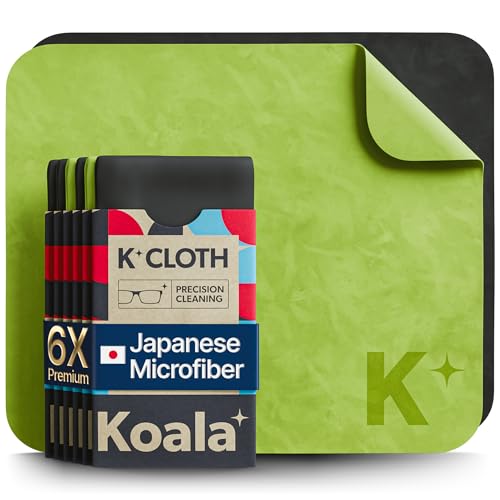
Best for: Precision optics users, AR/VR wearers, and photographers who demand premium cleaning performance. Koala emphasizes a Japanese microfiber with a dense weave designed to lift dirt and oils without leaving lint. It is especially suited for AR coatings and polarizers. Caution: higher-end performance comes with a higher price, so it may be less cost-efficient for casual use.
Zeefpod 60-Pack Microfiber Cloths for Glasses

Best for: Households, offices, and travelers who want bulk cleaning cloths. The 60-pack offers a practical option for frequent use on eyeglasses, screens, cameras, phones, and TVs. The materials are designed to be soft, lint-free, and washable for extended reuse. Limitation: bulk packs can lead to lower individual cloth variety unless you organize colors or labels to prevent cross-use across devices.
Crizal Microfiber Cleaning Cloths for Eyeglasses – 4 Pack

Best for: Users with AR-coated lenses who seek brand-aligned safety. Crizal cloths are designed and tested by Crizal for safe cleaning of AR coatings without abrasion or damage. This reduces the risk of micro-scratches on sensitive coatings. Caution: as a premium option, it may be pricier per cloth compared to generic alternatives.
Buying Guide: Key Purchase Considerations
What surface will you clean most often? Glasses, screens, cameras, and TVs each benefit from different weave densities and lint-free properties. Look for ultra-soft microfibers that lift oils without scratching coatings. If you clean across multiple devices, a multi-pack or a larger bulk option can reduce replacement frequency. Consider whether you prefer cloths that are individually wrapped for hygiene, or reusable packs to minimize waste.
How important is coating safety? For AR and other specialized coatings, cloths designed or tested for anti-reflective surfaces can minimize micro-scratches and coating wear. If you wear AR-coated lenses or blue-light coatings, prioritize products that explicitly mention coating safety.
Size and storage matter. Common sizes are around 6×7 inches (15×18 cm), which fit most eyeglasses and phone screens. Smaller sizes are easier to pack for travel, while larger options cover bigger screens and surfaces more quickly.
Maintenance and reuse. Check if the cloths are washable or require dry cleaning, and whether packaging keeps them clean between uses. Reusability and ease of washing directly influence long-term cost and sustainability.
Frequently Asked Questions
- Are microfiber cloths safe for all lens coatings? Most are safe for common coatings, but always check the product notes for AR or anti-reflective coatings to avoid abrasion.
- Can I use microfiber cloths on my phone screen with fingerprints? Yes; microfiber cleans fingerprints and oil without scratching most modern smartphone coatings.
- Should I wash microfiber cloths? Yes, most cloths are washable and reusable; follow care instructions to maintain lint-free performance.
- Is a larger pack better for households? Bulk packs reduce replacement frequency and are cost-effective for families or offices, but store them clean and organized to prevent cross-use.
- Do all cloths include anti-lint properties? The best options advertise lint-free performance or dense weaves that minimize stray fibers.
- How do I prevent scratches on delicate lenses? Avoid using any cloth that has been soiled with grit; always start with a clean, soft microfiber and use gentle strokes.