Best Mastic Remover for Concrete: Top Picks for Concrete Surfaces
Choosing the right mastic remover for concrete is essential for fast, effective cleanup without harming adjacent materials. The following selections focus on low odor, non-toxic formulas and products designed to dissolve traditional mastics, black asbestos mastics, vinyl glues, and other adhesive residues on concrete floors. This guide highlights practical performance, ease of use, and surface safety to help you pick confidently for industrial, commercial, or DIY projects.
| Product | Best For | Volume | Notes |
|---|---|---|---|
| Blue Bear 500MR Bean•e•doo | Asbestos mastics, carpet adhesives | 1 Gal | Low odor; soy-based |
| Max Strip Floor Adhesive Remover | Multi-layer mastics, construction adhesives | 1 Gal | Fast gel strips; no harsh chemicals |
| Blue Bear Bean•e•doo Mastic Remover | Black asbestos & older mastics | 5 Gal | Low odor; easy cleanup |
| Legion Chemicals Heavy Concrete Remover (Quart) | Dried concrete, cement residue | 1 Qt | Non-corrosive; biodegradable alternative |
| Legion Chemicals Heavy Concrete Remover (Gallon) | Dried concrete, heavy buildup | 1 Gal | Fast-dissolving; safe on most surfaces |
Blue Bear 500MR Mastic Remover (1 Gal)
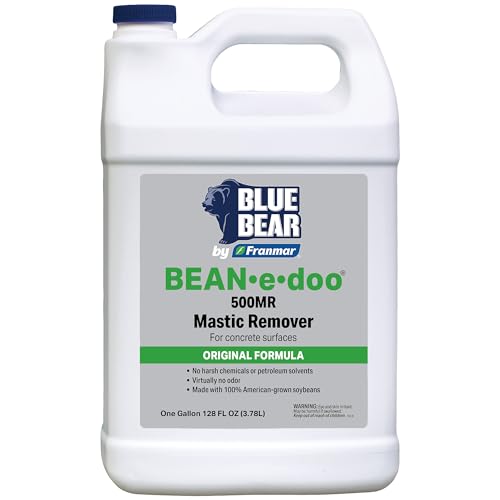
The 500MR formula from Blue Bear is a soy-based adhesive remover designed to tackle asbestos-containing mastics, vinyl glues, and traditional carpet adhesives on concrete. It emphasizes a virtually odor-free profile and is positioned for environments such as schools and hospitals. The product’s formulation aims to soften and lift stubborn residues with minimal risk to sensitive occupants. Application typically involves applying the product, allowing time for softening, then scraping or washing away the residue.
Key features include: softening powerful mastics like asbestos-containing compounds, broad compatibility with carpet and tile adhesives, and a focus on low odor. For large or old installations, the gallon size supports extended work periods without frequent reapplication. Users should wear appropriate PPE when handling older mastics to minimize exposure during removal.
Max Strip Floor Adhesive Remover (1 Gal)

Max Strip is a professional-grade gel designed to remove tough mastics, construction adhesives, and related glues over multiple surfaces. It emphasizes a user-friendly application that minimizes harsh chemical exposure by avoiding methylene chloride and NMP. The product appeals to both contractors and DIYers aiming to strip modern and legacy mastics in a single application, though surfaces should be checked every 90 minutes for readiness before removal. A scraper is then used to finish the cleanup.
Highlights include effective multi-layer removal, no harsh solvents, and clear usage intervals. The product’s gel format can help control application while penetrating and softening adhesive residues. As with all chemical removers, testing on a small area is advised to verify compatibility with sealants, paints, or finishes on concrete floors.
Blue Bear Bean•e•doo Mastic Remover (5 Gal)

This larger Blue Bear option extends the same low-odor, soy-based adhesive removal approach to a five-gallon container, designed for heavy-duty projects or ongoing floor restoration tasks. It targets tough mastics, including older black asbestos mastics and vinyl/ acrylic mastics, while maintaining ease of cleanup. The concentrate is noted for fast softening on challenging residues, enabling more efficient overall work cycles on large concrete floors or commercial spaces.
Considerations include handling large quantities, storage, and ensuring proper ventilation during application. The soy-based composition supports safer handling compared with solvent-heavy formulas, though users should still follow safety guidelines and use appropriate PPE when dealing with asbestos-containing materials or older adhesives.
Legion Chemicals Heavy Concrete Remover (Quart)

Legion Chemicals’ quart-sized heavy concrete remover is marketed as a non-corrosive, biodegradable acid alternative that dissolves dried concrete residues into a rinse-friendly slurry. The Gen2 formulation aims to deliver “muriatic strength” without the fumes or burns typically associated with traditional acids, making it a safer option for delicate substrates or equipment. It is described as fast-acting and capable of reducing labor through quicker breakdown of stubborn concrete buildup.
Practical use involves spraying on the affected area and allowing the product to work before rinsing. While effective on concrete, users should test on adjacent metals or painted surfaces to ensure compatibility and avoid unintended etching or discoloration. PPE and proper ventilation remain important for safe operation.
Legion Chemicals Heavy Concrete Remover (Gallon)

The gallon version extends Legion’s heavy-duty approach for concrete removal, delivering a slurry-forming action to eliminate heavy residue efficiently. It mirrors the quart formula’s safety and performance goals while offering more volume for larger jobs. As with the quart, the formulation claims a balance of strength and safety, enabling easier cleanup with less manual scrubbing. Surface compatibility and odor considerations should be evaluated in advance of broad use on sensitive installations.
Buying Guide: Key Purchase Considerations
- Project scope and residue type: For asbestos-containing mastics or old vinyl glues, select a remover designed for problematic mastics, such as soy-based or low-odor formulas.
- Odor and ventilation: Low-odor options can improve safety in occupied spaces such as schools or hospitals; ensure proper ventilation when using stronger solvent-based products.
- Surface compatibility: Test on a small area to verify that the remover won’t damage sealants, paints, or metal trims adjacent to concrete.
- Application and dwell time: Some products require longer dwell periods to soften heavy buildup; plan work around drying times and use a scraper or mechanical removal as needed.
- Environmental and safety considerations: Non-corrosive, biodegradable options may be preferable in sensitive environments; always use PPE, especially when dealing with old mastics or suspected asbestos.
- Volume and workflow: Large jobs benefit from multi-gallon containers; ensure you have adequate ventilation and storage space for containers.
- Cleanup and disposal: Choose products with straightforward cleanup and consider local disposal guidelines for leftover residues and containers.