Best Gloves for Handling Glass: Top Picks for Sharp-Shaped Hazards
When handling glass, you need gloves that combine strong cut resistance with good grip, dexterity, and comfort. This guide reviews five top options that balance protection and practicality for glass handling, packaging, and related tasks. Each glove is assessed for who it’s best for, where it shines, and any small trade-offs to consider.
| Product | Best For | Why It Stands Out |
|---|---|---|
| Schwer ProGuard High Level Cut Resistant Work Gloves | Industrial workers needing top-tier cut protection | ANSI A9 rating, reinforced thumb, breathable design, anti-slip nitrile coating. |
| JDL ANSI A6 Cut-Resistant Gloves | Fine cutting tasks with touchscreen use | High cut resistance with touchscreen compatibility and food-safe option. |
| Schwer 2 Pairs A7 Cut Resistant Work Gloves (CR3027) | Heavy-duty handling with touchscreen needs | Medium-to-heavy cut protection, durable coating, and touchscreen use. |
| DEX FIT Level 5 Cut Resistant Gloves (CR553) | Warehouse or packaging with glass handling | 5th level cut protection, anti-static, good grip on boxes and glass. |
| Zealor Cotton Gloves (12 Pairs) | Light-duty handling, archival or cosmetic glass handling | Soft cotton, washable, multiple pairs for routine tasks. |
Schwer ProGuard High Level Cut Resistant Gloves
Best for: workers needing the highest cut protection when handling glass with sharp edges or in environments with extreme cutting hazards.
What makes it suitable: This glove delivers ANSI A9 cut resistance, using a 13-gauge knit for breathability. The sandy nitrile coating provides excellent abrasion resistance and anti-slip grip, which stays reliable in wet or greasy conditions. Reinforced thumb crotches boost durability, and the glove supports touch-screen use, saving time on job sites where devices are needed for measurements or instructions.
Limitations to note: While highly protective, they may feel stiffer during very precise manipulation tasks compared to lighter gloves. Consider them when cut hazards are the primary concern and dexterity needs are moderate.
Zealor 12 Pairs White Cotton Gloves
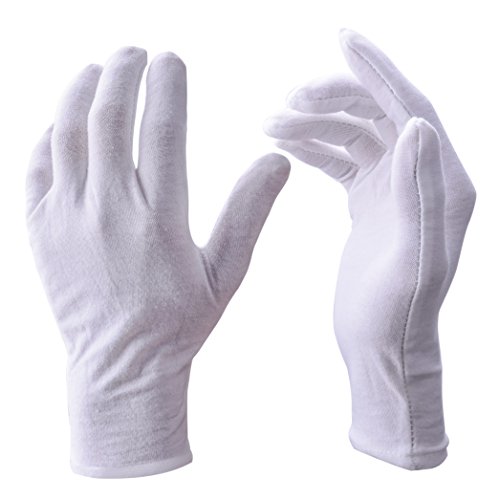
Best for: light handling, archival work, dusting, or dry-glass tasks where over-protection is unnecessary and comfort is valued.
What makes it suitable: These are cotton, breathable, and washable, with 12 pairs included. They’re soft and comfortable for long wear. They are not designed for high cut or chemical protection, but they’re excellent as a base layer or for tasks requiring a non-marking glove.
Limitations to note: Cotton gloves offer minimal cut protection and grip in oily or wet conditions. They should be paired with more protective gloves for glass handling in high-risk environments.
JDL ANSI A6 Cut-Resistant Gloves (Medium, Pink)

Best for: workers who require durable cut resistance with light weight and touchscreen compatibility during glass handling tasks.
What makes it suitable: These gloves are engineered with HPPE-based materials and include a thin metal wire for improved cut resistance. They also feature a touchscreen-friendly design, allowing device use without removing the gloves. They are food-safe, adding versatility in environments that involve handling glass used in food contexts.
Limitations to note: The fit and material may feel tight for some users; ensure correct sizing for optimal dexterity and comfort during precise tasks.
Schwer 2 Pairs A7 Cut Resistant Gloves (XL)

Best for: users needing medium-to-heavy cut protection with reliable grip in messy or greasy environments.
What makes it suitable: ANSI A6 cut resistance, reinforced sandy nitrile coating, and touchscreen compatibility. The XL size offers ample room for thick gloves or larger hands, which can improve comfort during extended use. It is a practical choice when glass handling involves slitting or cutting tasks that raise cut risk.
Limitations to note: Heavy gloves can reduce fine motor control. Choose this if cut risk outweighs dexterity needs during delicate glass handling.
Schwer 2 Pairs A7 Cut Resistant Gloves (Large)
Best for: users who need robust protection with comfortable fit in large-hand scenarios.
What makes it suitable: Similar features to the XL variant—ANSI A6 cut resistance, durable sandy nitrile, and touch-screen compatibility. The large size is ideal for operators who wear thicker gloves or have larger hands, ensuring protection without compromising control.
Limitations to note: As with other heavier gloves, some task precision can be affected; balance protection level with necessary dexterity for glass handling tasks.
DEX FIT Level 5 Cut Resistant Gloves

Best for: warehouse and glass handling environments where static control and strong grip matter.
What makes it suitable: ANSI A5 cut resistance with anti-static protection, plus a water-based foam nitrile coating that delivers a solid grip on glass and other smooth surfaces in wet or oily conditions. This glove suits frequent box handling or material movement tasks alongside glass handling.
Limitations to note: The Level 5 rating is strong protection, but it may be thicker than gloves designed strictly for fine motor tasks. Consider pairing with lighter gloves if precision is essential for some steps.
Buying Guide: Key Considerations For Glass Handling Gloves
What level of protection do you need? For handling sharp glass edges or heavy cutting hazards, prioritize higher cut resistance (ANSI A6–A9) with a durable grip. For lighter handling or archival work, cotton or lighter knit gloves may suffice as a base layer.
How important is touchscreen compatibility? If you often reference plans, measurements, or digital manuals, gloves with touchscreen-friendly fibers save time and reduce glove removal. Look for conductive fingertips or integrated conductive fibers.
What coating type matters most? Sandy nitrile coatings provide excellent grip and abrasion resistance, especially in wet or oily conditions. Foam nitrile offers good grip with more breathability, while full synthetic coatings balance grip and dexterity for precise tasks.
Do you need anti-static protection? In warehouses or environments with sensitive electronics, anti-static gloves lower the risk of static discharge affecting equipment or products.
Are multiple pairs preferred? For high-volume tasks or shared work sites, purchasing multiple pairs (as with Zealor or DEX FIT options) can reduce downtime and ensure gloves are readily available without frequent washing.
FAQ
- What ANSI cut ratings indicate protection levels? ANSI A6–A9 reflect increasing cut resistance. Higher numbers mean stronger protection, suited for sharp glass or metal hazards.
- Can I use the same gloves for wet and dry glass handling? Gloves with nitrile coatings (especially sandy nitrile) provide reliable grip in both wet and dry conditions, reducing slips.
- Are touchscreen gloves suitable for precision work? Yes, many modern gloves integrate conductive fibers in fingertips to enable device use without removing gloves.
- Should I double-glove for extra protection? In high-risk environments, using a lighter liner under a heavier outer glove can enhance dexterity while maintaining protection.
- Is cotton alone sufficient for glass handling? Cotton gloves are best as a base layer or for light tasks; they offer comfort but minimal cut or grip protection for sharp glass.
- How should I choose sizing? Ensure a snug but comfortable fit; gloves that are too loose reduce control, while gloves that are too tight can cause fatigue.