Best Fire Damage Cleaning Products for Soot, Creosote, and Damage Restoration
When dealing with fire damage, choosing the right cleaning products can help remove soot, creosote, and smoke residues while supporting safer, more efficient cleanup. The following selections are among the most relevant for home fireplace cleaning, chimney maintenance, and post-fire restoration. This guide highlights features, uses, and considerations to help you compare options and decide what to use in different scenarios.
Summary of chosen products
| Product | Brand | Primary Use | Key Benefit |
|---|---|---|---|
| Rutland Hearth and Grill Conditioning Glass Cleaner | RUTLAND PRODUCTS | High-temperature glass and stovetops | Silicone coat for longer-lasting cleanliness and easier next clean |
| Rutland Creosote Antidote | RUTLAND PRODUCTS | Creosote removal from fire logs and chimneys | Triple cleaning power to reduce buildup |
| KABIN Kathite Chimney Sweep Cleaner | KABIN | Chimney creosote and soot removal | Prevents buildup and improves heating efficiency |
| Gonzo Disinfectant Spray & Cleaner | Gonzo Natural Magic | Disinfecting and odor control | Kills bacteria, neutralizes odors, long-lasting freshness |
| Rutland Fireplace Glass and Hearth Cleaner | RUTLAND PRODUCTS | High-temperature glass and hearth surfaces | Ammonia-free, safe for multiple surfaces |
Rutland Hearth And Grill Conditioning Glass Cleaner

This product is designed for cleaning ceramic glass in fireplaces and wood stoves. Its micro scrubbers are claimed to avoid scratching while removing soot, creosote, and other buildup. An invisible silicone layer is left behind to help keep glass cleaner longer, potentially reducing repeated scrubbing. This is especially useful for maintaining clear views through stove doors and fireplace panels after a burn.
Key features include a high-temperature context, a silicone residue for future ease, and a focus on ceramic glass surfaces. It is suitable for routine maintenance and periodic deep cleans on glass doors and stovetops in homes that regularly burn wood or coal. Consider integrating this into your glass-cleaning routine after clearing heavy soot or before a holiday use to ensure a pristine appearance.
Rutland Creosote Antidote™ – Triple Power Remover

This product uses a triple-action formula designed to remove heavy creosote buildup from fireplaces and chimneys. It is marketed as a fire log that can be added to a hot fire or coals to help prevent creosote buildup from forming or to assist with heavy deposits. The formula emphasizes a clean burn with less added wax or accelerants, potentially reducing harsh chemical residues and facilitating safer maintenance routines.
Consider how often you clean or sweep your chimney and whether you prefer chemical-assisted maintenance versus mechanical cleaning. This product aims to offer additional cleaning power for heavy deposits, potentially saving time for larger homes or frequent burning. Always follow safety guidelines for fire-starting and hot embers when using any treatment in a live fire scenario.
KABIN Kathite Chimney Sweep Cleaner
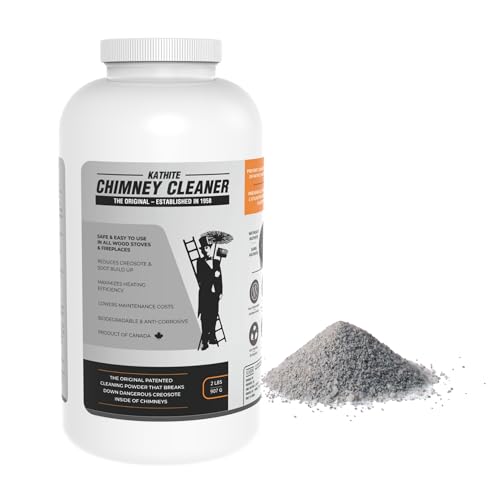
This chimney cleaning kit targets soot and creosote removal to prevent dangerous buildups in fireplaces, pellet stoves, and wood stoves. The product claims to maximize fireplace heating efficiency by destroying creosote and debris, which can improve ventilation and heat circulation. It also emphasizes reducing maintenance costs by preventing blockages and suggesting a proactive chimney sweep approach.
When selecting a chimneysweep solution, consider whether you want a standalone cleaner, an additive that can be burned, or a kit that combines cleaning agents with tools. Kathite’s emphasis on reducing maintenance and improving efficiency makes it appealing for homeowners aiming to minimize risks associated with creosote buildup.
Gonzo Disinfectant Spray & Multipurpose Cleaner

This spray is marketed for disinfection on hard, non-porous surfaces and includes an odor-eliminating function. It targets a range of bacteria and claims a long-lasting odor control agent to keep interior surfaces smelling fresh. In fire-damage scenarios, it can be used for post-cleaning deodorization of non-porous surfaces (e.g., countertops, metal, glass) after soot residues have been removed or treated.
Consider whether you need rapid disinfection or long-term odor control, especially in living areas affected by smoke and ash. For persistent odors, a product with continued odor control properties can complement mechanical cleaning and solvent-based cleaners, helping restore a more habitable environment more quickly.
Fireplace Cleaning Set – Nonabrasive Brick Cleaner

This cleaning set includes a specialized cleanser and a scrub brush designed to penetrate crevices and remove soot, dust, and burnt marks from brick, stone, tile, and marble. The product emphasizes a gentle formula suitable for bricks and glass, aimed at transforming the look of the fireplace interior and exterior surfaces. The concentrated formula is intended to address tough stains while minimizing surface damage.
When choosing a brick cleaner, assess surface sensitivity (brick vs. glass vs. stone) and whether you need a ready-to-use gel versus a spray. A nonabrasive approach helps protect masonry while still delivering effective cleaning of soot and burnt residues found in fire-damaged spaces.
Rutland Creosote Remover Toss-In Canisters

These toss-in canisters are designed for easy weekly use to prevent creosote buildup in chimneys. They burn to ash in the fireplace, turning sticky creosote into brushable ash without measuring or mess. The concept targets ongoing maintenance, helping reduce buildup and the risk of chimney fires over time. This option may be suitable for households with regular wood burning and periodic maintenance chores.
Consider your preferred maintenance rhythm and whether you want a simple, drop-in solution that minimizes handling during cold, wet, or busy seasons. Toss-in canisters can complement more intensive cleaning regimes, making creosote management more predictable without the need for frequent manual sweeping.
Rutland Fireplace Glass And Hearth Cleaner

Ammonia-free and non-abrasive, this cleaner targets soot and creosote residues on glass doors, cast iron, steel, and hearth surfaces. It is designed for indoor and outdoor use and can be applied to fireplace doors, stove glass, and other metal or glass components. This option appeals to users seeking a gentler formula without ammonia while still delivering effective soil removal around high-heat zones.
In selecting a glass and hearth cleaner, balance the need for a powerful solvent against surface sensitivity and odor. Ammonia-free formulas can be preferable for households with pets or sensitive occupants, while still offering a strong cleaning result for soot and smoke residues.
Rutland Liquid Creosote Remover
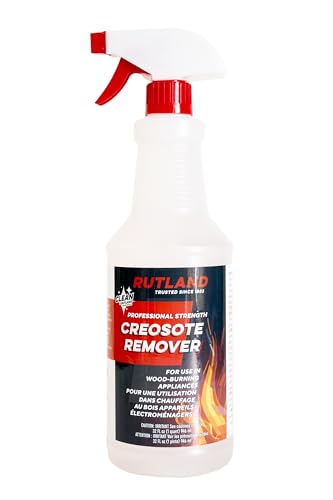
This liquid creosote remover is designed for spraying onto firebox walls and other areas where creosote may accumulate on wood stoves and heat appliances. It emphasizes compatibility with various fuel types and chimney configurations, including pellet stoves and free-burning fireplaces. The product aims to convert sticky creosote into a loose, powdery ash that can be brushed away, facilitating safer maintenance and reducing risk of chimney fires.
When evaluating a liquid creosote remover, consider spray coverage, surface compatibility, and whether you will apply directly to the firebox or use as a spot-treatment. This type of product is often part of a broader maintenance plan that includes regular inspections and manual brushing for thorough cleaning.
Buying Guide: Key Purchase Considerations For Fire Damage Cleaning
- Surface compatibility: Decide which surfaces require cleaning (glass, brick, stone, metal) and choose products formulated for those materials to avoid damage.
- Creosote management: For chimneys and fireplaces, creosote removers or toss-in canisters can reduce buildup, while dedicated glass cleaners keep doors clear for viewing and operation.
- Disinfection and odor control: Post-fire environments may require sanitization and deodorization. Look for products with proven disinfectant claims and long-lasting odor control for interior spaces.
- Safety and application: Consider products that minimize harsh fumes, caustic ingredients, or abrasive action on sensitive surfaces. Follow all usage instructions, especially when dealing with hot surfaces or live fire components.
- Maintenance cadence: Some solutions are best as routine maintenance (weekly toss-ins, periodic cleaners), while others support deep-cleaning after events. Plan a routine that matches burn frequency and home size.
- Ammonia and ingredient considerations: Ammonia-free formulas can be preferable for indoor use and households with pets or sensitivities, though ammonia-based products may offer different cleaning efficacy on certain residues.
- Ease of use: Kit-based cleaners and gel formulas can simplify application in hard-to-reach areas, while spray or liquid cleaners may offer quicker results for larger surfaces.
- Cost and maintenance: Balance upfront product cost with expected usage. For larger homes or frequent fires, bulk or multi-pack options may provide long-term value.
Note: This article highlights products widely available on major retailers, focusing on features and applicability to fire-related soiling and damage. Always verify current product suitability for your specific fireplace, stove, chimney, or restoration needs before purchase. For complex fire damage, consider consulting a professional chimney sweep or restoration specialist to assess structural safety and appropriate cleaning protocols.