Best Fire Damage Cleaning Solutions for Homes and Pros
When tackling fire damage, choose products designed to remove soot, odors, and tough residues while protecting surfaces. This guide highlights five reliable cleaners suited for walls, brick, stone, upholstery, and general restoration tasks. Best for homeowners handling minor cleanup, restoration contractors seeking dependable formulas, and tenants needing odor control, these picks cover a range of surfaces and odors.
Summary table of selected products:
| Product | Best For | Key Benefit |
|---|---|---|
| Unsmoke Wall Wash with Biosolv | Walls and multi-surface cleanup | Degreaser with deodorizing agents for soot and smoke residues |
| Smoke Soot Eraser Sponge | Surface soot removal | Dry cleaning sponge for quick soot lift |
| Fireplace Cleaning Set – Soot Remover | Brick, stone, tile surfaces | Penetrates crevices to remove soot and burnt marks |
| Odorcide Pro Renewal Odor Neutralizer | Odor control on walls, carpets, fabrics | Non-enzymatic, concentrate that makes up to 256 gallons |
| Hero Wipes Firefighter Body Wipes | Cleanup for responders and on-site remediation | Heavy-duty, alcohol-free, skin-soothing formula |
Unsmoke Wall Wash with Biosolv

Product overview: A one-gallon degreaser designed for walls and smoke-damaged hard surfaces. It combines a cleaning action with deodorizing agents to help lift soot and greasy residues caused by both grease and structure fires. It’s described as a multi-surface cleaner and odor eliminator, with oil-removing capabilities and brightening agents.
Who it’s best for: Homeowners addressing smoke damage from a kitchen fire or a small structure fire, and contractors needing a versatile cleaner for walls and other surfaces. It’s chosen for its emphasis on odor control alongside cleansing power.
What to know: Best for generalized soot and smoke residues, but verify compatibility with delicate surfaces before heavy use. Use as directed for odor control when a deodorizing boost is desired.
Smoke Soot Eraser Sponge – 1 Pack

Product overview: The Original Dry Cleaning Sponge made of natural volcanized rubber, designed to lift soot from surfaces without liquids. It’s a quick, on-surface soot removal option that can be used on walls and various hard surfaces.
Who it’s best for: DIY cleanup crews and short-notice touch-ups where a fast soot lift is needed without water or cleaners. It’s a good companion for light to moderate soot on hard surfaces.
What to know: This method is not a substitute for overall odor elimination or deep cleaning of porous materials. It works best as an initial pass or for non-porous surfaces where dry removal is appropriate.
Fireplace Cleaning Set Soot Remover
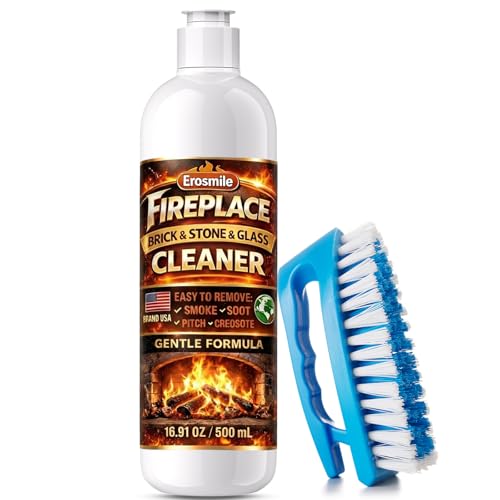
Product overview: A specialized cleaner designed for fireplaces, focusing on bricks, stones, tiles, and similar surfaces. The formula penetrates crevices to remove soot, dust, and burnt marks, helping surfaces regain a fresh appearance.
Who it’s best for: Homeowners with fireplaces or built-in hearths where soot accumulates in porous masonry. It suits those who want a targeted cleaner that can handle brick and stone without heavy scrubbing.
What to know: It requires a period of contact time and a rinse or wipe-down. Best used with the included scrub approach to maximize surface contact on textured masonry.
Odorcide Pro Renewal Odor Eliminator Concentrate

Product overview: A large-concentration odor neutralizer designed for fires and floods. This non-enzymatic formula treats odors on walls, carpet, upholstery, and other fabrics. The concentrate can be diluted to produce up to 256 gallons of solution, increasing value for larger jobs.
Who it’s best for: Professional remodelers, remediation teams, and homeowners tackling strong, lingering odors from smoke or water damage. It’s particularly useful when you need a long-lasting odor control solution with broad surface reach.
What to know: It’s not an enzymatic enzyme-based product, so it targets odors differently than enzyme cleaners. Follow dilution guidelines to ensure effectiveness and avoid oversaturation on porous materials.
Hero Wipes Firefighter Body Wipes
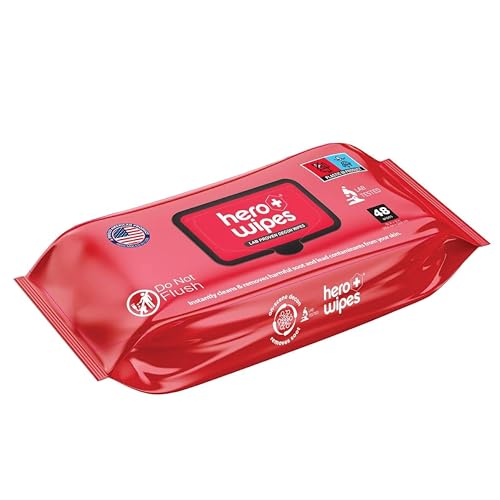
Product overview: Extra-thick, durable body wipes designed for responders to remove soot, ash, smoke residues, and harsh chemicals. The wipes are alcohol-free and formulated to moisturize the skin while cleaning.
Who it’s best for: On-site cleanup crews and responders needing portable, skin-friendly wipes for rapid decontamination and comfort after exposure to smoke and particulates.
What to know: While excellent for personal cleanup, these wipes are not a complete cleaning solution for surfaces. Use in combination with surface cleaners for comprehensive restoration.
Spitfire All-Purpose Cleaner and Degreaser

Product overview: A heavy-duty cleaner designed to dissolve grease, grime, ink, gum, and oils. It’s described as suitable for most surfaces, including counters, walls, and floors, with a pine scent to help deodorize as it cleans.
Who it’s best for: Kitchens, garages, and multipurpose areas where tough residues and odors require a single, versatile cleaner. It’s a good all-purpose option when multiple residue types are present.
What to know: Strong cleaning formula means it’s prudent to test on delicate finishes first. Use in well-ventilated areas and avoid prolonged exposure on sensitive materials.
Bridgepoint Fire Power Heavy Duty Cleaner
Product overview: A gallon-size heavy-duty cleaner intended for wall wash and general degreasing. It lists dilution ratios and a high-alkalinity pH, signaling strong grease-cutting capability.
Who it’s best for: Pros or households needing a robust cleaner for large-scale cleanup on walls and other surfaces. It’s useful when significant degreasing is required across rooms or garages.
What to know: Dilution control is important to balance cleaning strength with material safety. Follow recommended ratios to avoid surface damage on sensitive materials.
Buying Guide: Practical Considerations for Fire Damage Cleaning
Surface type matters. Porous materials like drywall, wood, and fabric require odor- and stain-specific treatments. Non-porous surfaces such as tile or glass respond well to heavy-duty cleaners and solvents, but always test a small area first.
Odor control vs. cleaning power. Some products emphasize odor elimination (Odorcide Pro Renewal) while others focus on grime removal (Spitfire). For best results, combine products: a powerful cleaner to remove residues, followed by an odor-neutralizing treatment on affected areas.
Surface compatibility. Check dilution guidelines and surface compatibility with masonry, bricks, metal, and painted finishes. Bricks and stone often benefit from penetrating cleaners, while delicate paints may require gentler formulations.
Application method. Gel-based, spray, or wipe formulations each have pros. Gels cling to vertical surfaces longer, sprays cover larger areas quickly, and wipes offer immediate, portable cleaning for touch-ups.
Safety and ventilation. Ensure proper PPE when working with strong degreasers and aerosols. Work in well-ventilated areas and follow product-specific safety instructions to protect occupants and cleaners.
Scale of project. For larger restoration jobs, concentrate formulas that yield dilution-ready quantities reduce long-term costs. For smaller residences or apartments, ready-to-use products may be more convenient.
FAQ
- What cleaner is best for soot on brick surfaces? A cleaner designed for masonry and penetrating soot residues, such as a dedicated fireplace soot remover, is typically most effective for bricks and stones.
- Can I use odor eliminators on fabric and carpet? Yes, many odor eliminators are formulated to work on walls, carpets, and upholstery when diluted properly; verify fabric compatibility and follow dilution guidelines.
- Should I mix cleaners for better results? In general, avoid mixing different cleaners. Use a primary cleaner for residue removal, then an odor eliminator if odors persist, to avoid chemical reactions.
- Are dry soot removal sponges enough for cleanup? They are helpful for initial soot lift on non-porous surfaces but do not replace deep cleaning or odor control on porous materials.
- Is a non-enzymatic odor eliminator better than an enzymatic one? Non-enzymatic formulas work differently and can be effective on a wide range of odors; enzymes target organic odors but may require specific conditions to work best.
- How do I determine the right dilution for a gallon of concentrate? Follow the product’s label instructions; many concentrates specify gallons produced per bottle or per dilution ratio to ensure efficacy and safety.