Best Disinfectant for the Kitchen: Top Picks for a Cleaner, Safer Space
Keeping kitchen surfaces clean and hygienic is essential for food safety and everyday health. This guide highlights five top disinfectants designed to tackle germs, grease, and mold while remaining practical for home kitchens. Each product features fast action, plant- or chemical-based formulas, and surfaces suitable for food prep areas. Read on to compare options, see how they work, and choose the one that best fits your cleaning routine.
| Product | Brand | Key Benefit | Best Use |
|---|---|---|---|
| Spray Nine 26832 | Spray Nine | Professional-strength cleaner, degreaser, and disinfectant | Heavy-duty kitchens, tools, stainless steel |
| CleanSmart Daily Surface Spray | CleanSmart | Kills 99.9% of viruses and germs | Everyday kitchen surfaces, food-contact safe |
| Clorox Healthcare Hydrogen Peroxide Cleaner Disinfectant | Clorox | Fast-acting disinfection with low residue | Kitchen counters and appliances |
| Thymox Botanical Disinfectant Spray | Thymox | All-natural hospital-grade disinfection | Kitchens, pet areas, green cleaning |
| Zep Quick Clean Disinfectant | Zep | Kills 99.9% of bacteria in 5 seconds | Rapid surface disinfection |
Each pick is designed to help maintain hygienic kitchen spaces, from everyday messes to high-traffic cooking areas. The following sections break down what makes each option effective and how to use them safely in a domestic kitchen setting.
Spray Nine: Heavy-Duty Disinfectant And Degreaser
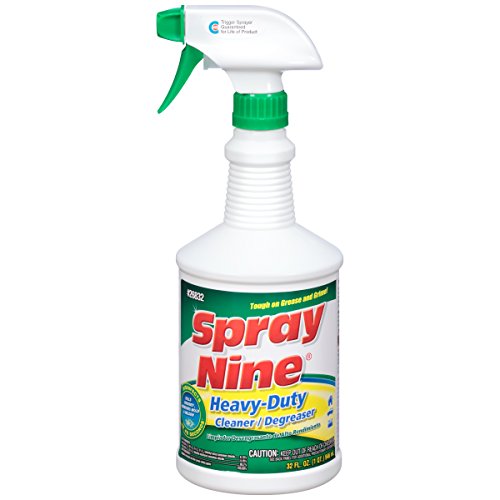
Spray Nine combines cleaner, degreaser, and disinfectant in one powerful formula. It’s particularly effective for stubborn kitchen grease, ovens, griddles, and vent hoods, as well as bathroom and tool surfaces. The product claims rapid sanitization—surfaces can be sanitized in about 10 seconds, making it suitable for high-traffic kitchens where quick turnaround is vital. Its triple-action approach helps remove tough soils before disinfection, aiding in overall hygiene control. It also targets mold and mildew on concrete and tile, contributing to mildew-free kitchen corners, floors, and walls.
When using Spray Nine in the kitchen, pre-clean heavily soiled areas to maximize disinfectant contact. Rinse or wipe per surface type if required by the surface material, and always ventilate the space well during use. It’s compatible with a wide range of materials, including stainless steel and plastics commonly found in kitchen gear, but always test on a small area first if you’re unsure about surface finish.
CleanSmart Daily Surface Spray Disinfectant

CleanSmart offers a forgiving option for everyday kitchen cleaning. The formula claims to kill 99.9% of viruses and germs while being safe to spray on eating surfaces without rinsing. It avoids alcohol, ammonia, bleach, fragrance, and dyes, and uses a natural hypochlorous solution to sanitize counters, high-chairs, floors, appliances, and other food-prep zones. This makes it appealing for households with kids and pets, or for those seeking a gentler yet effective disinfectant.
To use CleanSmart, apply to surfaces and allow to air-dry. This product is designed for targeted sanitizing with minimal residue. While it’s suitable for food-contact areas, follow the label for any surface-specific cautions, and ensure surfaces are dry before returning items to prep work. It’s a practical daily option for maintaining hygiene without strong chemical odors.
Clorox Healthcare Hydrogen Peroxide Cleaner Disinfectant
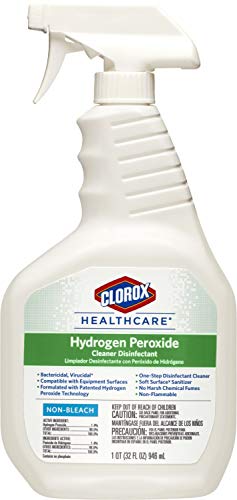
Clorox’s hydrogen peroxide-based disinfectant is designed for broad surface compatibility with relatively low residue. It disinfects quickly, with proven kill times on a range of pathogens. The product is noted for soft-surface sanitizing and is EPA-registered to kill bacteria on fabrics and similar materials. For kitchens, this makes it suitable for cleaning countertops, cutting boards, appliance exteriors, and cabinet surfaces where a quick, effective disinfection is helpful between food-prep tasks.
When using hydrogen peroxide cleaners in kitchens, ensure proper ventilation and avoid mixing with other cleaners. Apply to surfaces, allow the recommended contact time, and wipe away any excess residue. While it has fast kill times, always follow the label for surface compatibility, especially on delicate finishes or electronics near prep areas.
Thymox Botanical Disinfectant Spray

Thymox emphasizes an all-natural approach with a lemongrass fragrance, aiming to deliver hospital-grade disinfection without harsh chemicals. It’s positioned for kitchens, hospitals, schools, and animal care environments, offering a walk-away formula that minimizes odor while delivering effective disinfection. The product claims different kill times for viruses, bacteria, and fungi, providing a structured timeline for achieving sanitation across various contaminants common in food-prep spaces.
In practice, Thymox can be a good fit for households seeking green cleaning options. It’s designed to be non-rinse and non-corrosive, making it suitable for kitchen surfaces and equipment with sensitive finishes. Always observe the recommended contact times for different organisms and ensure surfaces are pre-cleaned to maximize efficacy.
Zep Quick Clean Disinfectant
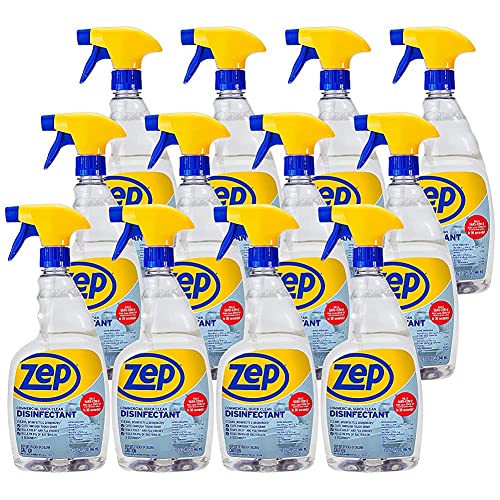
Zep Quick Clean Disinfectant emphasizes speed, claiming 99.9% kill of bacteria within just 5 seconds. This makes it a strong option for quick turnaround tasks in busy kitchens, such as after food prep or handling raw meat where fast disinfection is helpful. The formula works as both a cleaner and disinfectant, enabling one-step use on non-porous surfaces to cut through grime and reduce contamination risks.
For kitchen use, apply to surfaces that come into contact with food after proper pre-cleaning. Let the product sit for the required contact time, then wipe away any residue. Suitable for countertops, cutting boards, appliances, and non-porous surfaces, Zep Quick Clean can be a reliable addition to a steady cleaning routine where speed matters.
Buying Guide: Key Purchase Considerations
When selecting a kitchen disinfectant, consider these factors to balance efficacy, safety, and practicality:
- Disinfection speed: Some products deliver rapid kill times (e.g., 5 seconds to minutes). For busy kitchens, faster disinfection means quicker turnover between cooking tasks.
- Surface compatibility: Check material lists to avoid damage to stainless steel, plastic, wood, or coated surfaces. Test on a small area if unsure.
- Food-safety compatibility: Choose formulas labeled safe for contact with food or surfaces that may touch food without rinsing, especially for counters and cutting boards.
- Residual and odor: If odor sensitivity or odor-free operation matters (for homes with children or pets), opt for products with low or no fragrance and minimal residues.
- Natural vs. synthetic: Natural or botanical disinfectants can appeal to green-cleaning goals, but verify broad-spectrum efficacy and contact time.
- Usage and storage: Follow label directions for spray distance, contact time, ventilation, and storage to maintain safety and effectiveness.
- Cost and accessibility: Consider whether you prefer a spray bottle for quick spot cleaning or a larger container for routine, whole-kitchen disinfection.
In sum, the best disinfectant for your kitchen depends on your priorities—speed, surface sensitivity, fragrance, and whether you prefer natural ingredients. The options above cover a spectrum from heavy-duty degreasing and rapid sanitization to gentle, fragrance-free or plant-based formulations. Using the right product for each task can maintain hygiene while protecting kitchen surfaces and food safety.