Best Dish Soap Safe for Septic Systems and Greywater
Finding a dish soap that is safe for septic systems and greywater uses can help protect your plumbing and local waterways while still delivering effective cleaning. The following picks emphasize biodegradable ingredients, low or zero dyes and fragrances, and formulations that are suitable for sensitive skin. Each option below is evaluated for septic compatibility, eco-friendliness, and overall cleaning power, so you can choose with confidence.
| Product | Brand | Key Benefit |
|---|---|---|
| Seventh Generation Dish Soap Free & Clear | Seventh Generation | Plant-based, fragrance-free, dermatologist tested |
| Oasis Biocompatible Dish Soap | Oasis | Greywater-friendly, sodium-free, biodegradable |
| Ginger Lily Farms Basil Scent Dish Soap | Ginger Lily Farms | Plant-based, concentrated formula, biodegradable |
| Cleancult Dish Soap Liquid Refill | Cleancult | Plastic-reduction refill system, natural ingredients |
| ATTITUDE Citrus Zest Dish Soap | ATTITUDE | EWG Verified, naturally derived ingredients |
Choosing a septic-safe dish soap involves looking at how the formula breaks down, whether it avoids harsh chemicals, and whether the packaging supports environmental goals. The options below are selected for septic systems, greywater compatibility, and clean performance in American kitchens.
Seventh Generation Dish Soap Free & Clear

Seventh Generation Dish Soap Free & Clear is a plant-based formula designed for everyday dishwashing without dyes or fragrances. It targets grease and common kitchen messes while supporting sensitive skin, making it suitable for households seeking minimal additives. EPA Safer Choice certification and USDA Biobased Product 95% status emphasize lower environmental impact. Its unscented profile reduces irritants for users with fragrance sensitivities, and it is marketed as safe for cleaning baby bottles when used as directed, expanding its practical use in households with infants.
Oasis Biocompatible Dish Soap Liquid

The Oasis Biocompatible Dish Soap is specifically marketed as greywater-friendly and sodium-free. It is designed to break down into nutrients suitable for plants when used in greywater systems, helping reduce overall water waste. The product claims compatibility with septic tanks and sewer disposal and emphasizes safe, concentrated cleaning across various household tasks beyond dishes, such as laundry and general surface cleaning. The emphasis on safe disposal and plant-friendly residues makes it a strong option for eco-conscious homes seeking water-conscious options.
Ginger Lily Farms Basil Scent Dish Soap
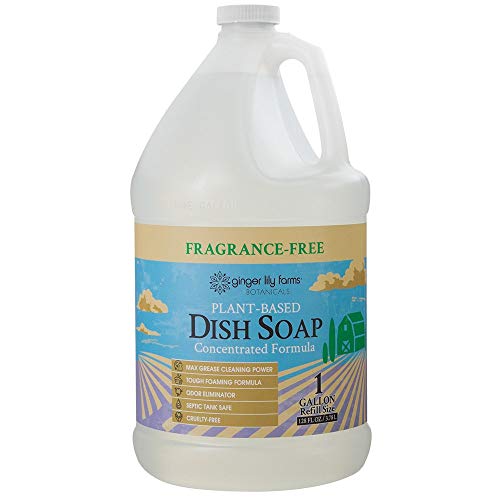
Ginger Lily Farms Basil Scent Dish Soap uses a plant-based formula with a focus on grease-cutting power through a concentrated, biodegradable approach. The product emphasizes being cruelty-free and free of parabens, phthalates, dyes, and triclosan. While scented, the Basil version offers a fragrance profile that may be preferred by some households seeking pleasant but natural scents, with an eye toward safe disposal and skin-friendly ingredients.
Cleancult Dish Soap Liquid Refill

Cleancult offers a liquid dish soap refill in a packaging system designed to reduce plastic waste. Formulated with natural ingredients like aloe and essential oils, it emphasizes being free from harsh chemicals while maintaining effective grease and grime removal. The emphasis on recyclable packaging and a refill model aligns with broader sustainability goals, including reduced plastic use in households and a more circular approach to cleaning products.
ATTITUDE Dish Soap Citrus Zest

ATTITUDE Citrus Zest Dish Soap is EWG Verified, indicating adherence to clean ingredient standards. With 97% naturally derived ingredients, it aims to deliver strong grease-cutting performance while remaining gentle on hands. The citrus scent provides a fresh aroma without compromising safety. This option is suitable for users seeking transparency in ingredients and a product verified by an independent environmental watchdog, adding an extra layer of confidence for septic-safe use.
Buying Guide: Key Purchase Considerations
Septic-system friendly dish soaps share common traits, but there are important nuances to consider when making a choice. This guide outlines critical factors from formulation to packaging and usage that affect septic and greywater compatibility, cleaning performance, and long-term sustainability.
- Biodegradability and septic compatibility: Look for plant-based, biodegradable formulas and products with certifications (such as EPA Safer Choice or EWG verification) that indicate safer disposal and reduced impact on septic systems and greywater.
- Fragrance and dye content: Fragrance-free or dye-free options reduce potential irritants for sensitive skin and minimize substances that may interfere with septic processes.
- Ingredient transparency: Choose brands that clearly list ingredients and avoid questionable additives (parabens, phthalates, sulfates) when possible, aligning with safer cleaning expectations.
- Greywater compatibility: For households using greywater irrigation, opt for products specifically described as greywater-friendly and sodium-free to preserve soil and plant health.
- Packaging and waste: Consider refillable systems or packaging designed to reduce plastic waste. Refill options help lower the overall environmental footprint of daily cleaning routines.
- All-purpose use: Some soaps claim versatility beyond dishwashing (hand washing, surfaces, or laundry). If using in a greywater system, verify that the broader applications are compatible with your home setup.
- Skin and consumer safety: Dermatologist-tested formulations and fragrance-free options can be beneficial for households with sensitive skin or allergies, while still delivering effective grease removal.
- Pricing and availability: While not a safety factor, ongoing accessibility matters for long-term septic-friendly cleaning routines. Consider multi-pack options or refill programs to ensure continuity.
When evaluating products for septic and greywater safety, weigh the balance between cleaning power, skin-safety benefits, and the environmental footprint of packaging and disposal. The five picks above illustrate a spectrum of approaches—from fragrance-free and dermatologist-tested options to greywater-friendly concentrates and refillable systems—allowing consumers to tailor choices to their household needs and environmental goals.