Best Cleaner for Porous Tile: Top Tile and Grout Cleaners for Porous Surfaces
Answering the needs of homeowners with porous tile surfaces, these cleaners target grout lines, stone finishes, and textured tiles without harsh effects. The top picks are ideal for bathroom showers, kitchen floors, and stone floors where porosity invites grime. This guide highlights five products chosen for their effectiveness, safety on various tile types, and practical use cases.
Buyer’s quick reference summary table:
| Product | Best For | Why It Stands Out |
|---|---|---|
| Goo Gone Grout & Tile Cleaner | Routine maintenance and deep cleans | Professional-strength cleaning formula safe on ceramic, porcelain, and grout; easy spray application |
| Black Diamond Marble & Tile Floor Cleaner | Natural stone tiles and multi-surface use | No-rinse, concentrated formula; leaves a natural shine without residue |
| Black Diamond Ultimate Grout Cleaner | Stubborn grout stains | Acid-free, deep-cleaning grout cleaner safe for stone and tile surfaces |
| Miracle Sealants Tile & Stone Cleaner Concentrate | General stone and tile care | Dilutable, versatile interior/exterior use, no strong odor |
| Clean-eez Grout-eez | Heavy grime on grout and tile | Pro-grade, 2-in-1 cleaner for grout and tile with strong stain removal |
Goo Gone Grout & Tile Cleaner
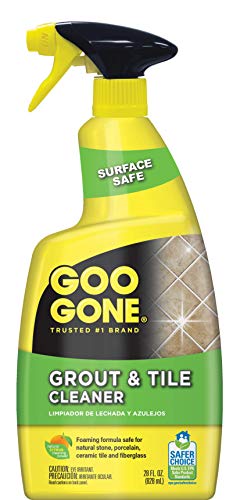
Best for: routine maintenance and moderate stains on bathroom and kitchen tile surfaces. Its 28 fl oz spray bottle provides professional-strength cleaning power to penetrate grout lines and porous tiles without excessive scrubbing. Suitable for ceramic, porcelain, natural stone, and fiberglass, with a scent-friendly finish when used as directed.
Why selected: This cleaner targets tough grime while remaining safe on common tile types. It is particularly effective for removing soap scum and hard water staining from showers, tub surrounds, and countertops.
Caution: Avoid using on delicate natural stones that require specialized stone cleaners; follow label directions to prevent surface discoloration.
Black Diamond Marble & Tile Floor Cleaner
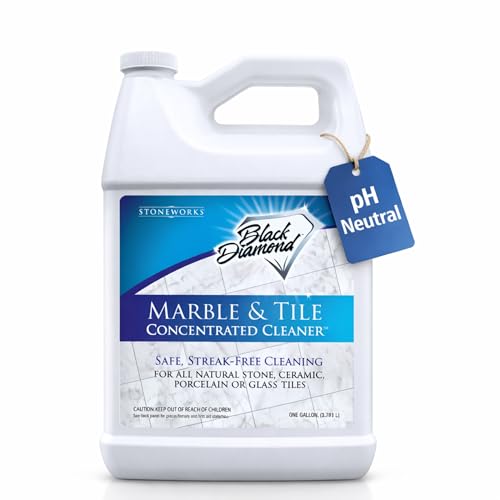
Best for: cleaning natural stone and ceramic/porcelain tiles with a focus on a residue-free finish. This no-rinse concentrate cleans marble, travertine, granite, and other stone tiles without dulling or etching. It is also suitable for tile floors and reduces the need for post-cleaning buffing.
Why selected: A no-rinse formula simplifies maintenance and helps maintain the natural look of stone surfaces. Economic concentrated use makes it a practical option for larger areas.
Caution: Ensure dilution is correct for stone types and avoid overuse on highly porous grout to prevent buildup over time.
Black Diamond Ultimate Grout Cleaner

Best for: stubborn grout stains and deep cleaning of grout lines in ceramic, porcelain, and natural stone tile. The acid-free formula cleans thoroughly without risking surface etching, making it suitable for darker or colored grout.
Why selected: It offers strong grout restoration by lifting embedded grime while remaining safer for delicate stone surfaces than acidic alternatives.
Caution: Although acid-free, test on a small grout area first if you have unusually soft stone to avoid unexpected discoloration.
Miracle Sealants Tile & Stone Cleaner Concentrate
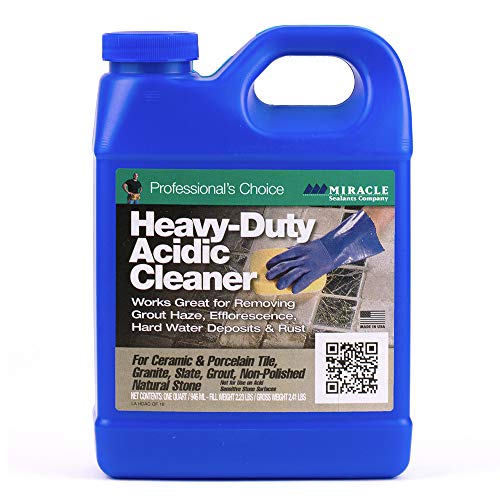
Best for: interior and exterior use on natural stone, tile, and grout with no odor. The 32 oz concentrate provides a versatile option for regular cleaning and light maintenance in kitchens, bathrooms, and entryways where stone tiles are present.
Why selected: This cleaner is flexible for various projects and surfaces, offering a simple mixing ratio and minimal scent—beneficial for households sensitive to strong cleaners.
Limitation: Dilution ratio must be followed to achieve optimal results; incorrect dilution can reduce cleaning effectiveness on very dirty grout.
Clean-eez Grout-eez

Best for: heavy grime on grout and tile in bathrooms and kitchens. This 32 oz bottle is designed to remove tough stains and restore the appearance of tile surfaces with a faster, more efficient cleaning action.
Why selected: It positions itself as a pro-grade option suitable for tough staining, offering a two-in-one cleaning approach that can save time on larger projects.
Caution: Strong cleaning action may require ventilation and prompt follow-up rinsing on sensitive surfaces or colored grout to prevent residue buildup.
Buying Guide: Key Considerations For Porous Tile Cleaners
- Surface compatibility: Check whether the cleaner is safe for ceramic, porcelain, natural stone, or mixed tile surfaces. Porous tiles may absorb cleaners differently, so choose a formula labeled safe for stone or grout.
- Stain type and depth: For soap scum, hard water stains, or grout haze, select a product marketed for grout cleaning or deep-stain removal. For general maintenance, a milder cleaner may suffice.
- Formula and residue: No-rinse and low-residue formulas help reduce post-cleaning effort and prevent dulling on natural stone.
- Concentration and dilution: Concentrated cleaners save money but require proper dilution; follow label guidelines to avoid surface damage.
- Ventilation and safety: Many tile cleaners emit odors or require gloves. Opt for low-odor options if used in confined spaces.
- Surface sensitivity: Some stone types (marble, travertine) are sensitive to acids. Choose acid-free formulas to minimize etching and discoloration.
- Application method: Spray-on, spray-and-sponge, or dilution-based cleaning affects time and effort. For porous grout, a product with deep-penetrating action can be advantageous.
Frequently Asked Questions
- What cleaner is best for porous tile grout?
– An acid-free grout cleaner or a professional-strength grout cleaner designed for porous grout can provide thorough cleaning without damaging surfaces. - Can I use stone cleaners on porcelain tile?
– Yes, if the product is labeled safe for porcelain and other tile types; avoid cleaners containing acids that could etch natural stone. - How often should I deep clean grout on porous tile?
– Frequency depends on traffic and moisture exposure; many homes benefit from a deep clean every 3–6 months, with maintenance between. - Are no-rinse cleaners better for stone tiles?
– No-rinse formulas minimize residue and maintain a natural finish, which is especially important for polished stone surfaces. - Should I test cleaners first?
– Yes, perform a patch test on a small, inconspicuous area to confirm safety and avoid discoloration. - Is it necessary to seal grout after cleaning?
– Sealing can help reduce future staining on porous grout; follow up with a compatible grout sealer after cleaning and drying.